

PTSD Treatment in Avondale and Phoenix
Therapy for post-traumatic stress (PTSD) that starts with feeling safe, then works through what happened at a pace that fits you.
When a Traumatic Event Doesn't Stay in the Past
PTSD can develop after a frightening event. Memories keep coming back, you may avoid reminders or feel always on guard, and mood and sleep suffer. Therapy helps you feel safer now, avoid less, and work through the memories at a pace that fits.
Read more
Many people have strong reactions after a frightening or life-threatening experience, such as a car accident, an assault, violence, a disaster, or the sudden death of someone close in an accident or an act of violence. For many, those reactions ease with time. When they don't, or when they start to shape how you live, talking with a therapist can help.

Signs Worth Paying Attention To
Only a qualified professional can say whether it's PTSD, but these experiences are common:
- Memories, flashbacks or nightmares that feel hard to control
- Avoiding places, people or conversations that bring it back
- Feeling on guard, jumpy or easily startled
- Irritability, poor sleep or trouble concentrating
- Guilt, shame, or feeling cut off from others
What Treatment May Include
Treatment is shaped around you. It often begins with safety and coping, and moves toward working through memories when you're ready. It may include:
- Learning how trauma affects the body and mind
- Grounding and coping skills for hard moments
- Gradually facing avoided reminders, with support
- Working through traumatic memories and the beliefs tied to them
- Rebuilding routines, relationships and a sense of safety
Begin Services With Us
Understanding PTSD
How it differs from a hard few weeks
Most people are shaken after a frightening event, and for many the shaking settles over days or weeks. Post-traumatic stress is when it doesn't settle: the memories, the avoiding, the being on guard and the changes in mood carry on for more than a month and get in the way of life.
Why it happens
No one knows ahead of time who will develop PTSD. How severe the event was, whether it happened more than once, what support was there afterwards and what else a person was carrying all matter. It is not a sign of weakness, and it can begin months or years after the event.
What helps
PTSD is treatable. Therapy for it is structured and paced: first the skills to stay steady, then a careful look at the memories and at what the event taught you about yourself and the world. A doctor can talk with you about medication if you want to consider it.
When to reach out
It's time when it has been more than a month and the event still runs your sleep, your mood or where you're willing to go. Only a professional can say whether it is PTSD, and you don't need that answer before you call.
Therapists Who Work With Trauma
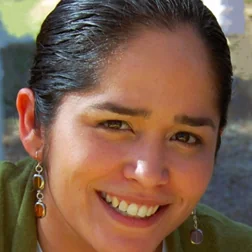 Cristina PasosLAC, TherapistHabla españolApproaches: TF-CBT, DBT
 April MunozMA, Bilingual TherapistHabla españolApproaches: TF-CBT, DBT
 Osbely PanduroMA, Bilingual TherapistHabla español
 Monica CañezMSW, Bilingual TherapistHabla españolApproaches: TF-CBT, DBT, Strengths-Based Care
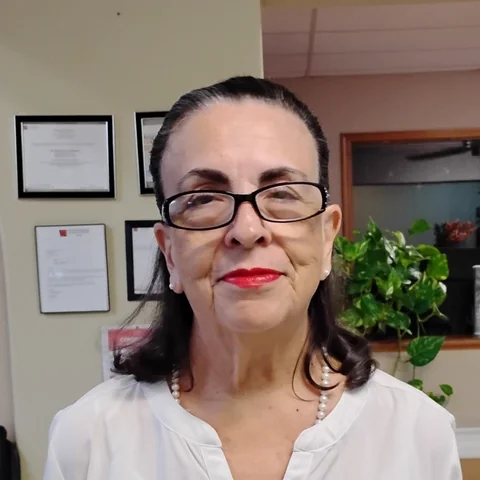 Dora Gallardo RomoMA, TherapistHabla españolApproaches: TF-CBT, DBT, MI, Play-Based
 Riziki DeogratiasClinical InternApproaches: CBT, DBT
If You Need Help Now
If you are in crisis, call or text 988 any time, day or night. For Spanish, call 988 and press 2, or text AYUDA to 988. In an emergency, call 911.
Common Questions
Can therapy help after a car accident or another frightening event?
Yes. Therapy can help after many kinds of frightening experiences, including car accidents, assaults, violence and disasters, whether it happened recently or years ago.
How long does PTSD treatment take?
It varies. The length of care depends on your goals, what you've been through and how things change along the way. Your clinician will review progress with you regularly.
Do I need a diagnosis before I reach out?
No. Tell us what's been going on, and our team will help you find the next step.
We're ready when you are
In person at our Avondale or Phoenix office, or by telehealth from home, in English or Spanish.
 Avondale919 N Dysart Rd, Suite F, Avondale, AZ 85323Get DirectionsAbout this office
 Phoenix11225 N 28th Dr, Suite C-206, Phoenix, AZ 85029Get DirectionsAbout this office
 TelehealthBy video appointmentGet Started
- (623) 439-7472
- Avondale: Mon–Fri, 8:30am–5pm
- Phoenix: Mon–Fri, 10am–6pm
- Weekend and after-hours availability by appointment
- In person or telehealth